Most people file bankruptcy to keep their house. A few months or a couple of years in, a lot of them find that the plan no longer fits the life they are living.
A Chapter 13 payment that worked on two incomes doesn't work on one. A job moves to Nashville or Atlanta. A divorce means the house has to go. The roof fails and there is no room in the budget to replace it. Or the house was always the problem, and the honest answer now is that selling it is the only way to make the numbers work.
You can sell a house while you are in bankruptcy. What you can't do is sell it the way you would have before you filed. Once a case is open, the house is part of the bankruptcy estate, and in most cases the sale has to be approved by the court before it can close. Skip that step and the problems land on you — and on the buyer.
This guide covers how a sale works in each chapter, what Tennessee's homestead exemption actually protects, how sales get approved in the Chattanooga court that handles Hamilton County cases, and what to look for in a buyer while all of that is happening.
If you are in an open bankruptcy case, your bankruptcy attorney is the first call — before you list, sign a contract, or accept an offer. Every case is different, and what works depends on your chapter, your plan and your exemptions — facts a blog post can't see. Use this guide to understand what's going on and to ask better questions.
The House Isn't Only Yours Right Now
Filing a bankruptcy petition creates a bankruptcy estate. Your property — including your house — becomes part of it. You still live there, you still make the mortgage payments, and your name is still on the deed. But the court now has a say in what happens to it.
Kara L. West's office, the Chapter 13 Trustee for the Eastern District of Tennessee's Southern and Winchester Divisions in Chattanooga, puts it plainly on its debtor information pages: you generally cannot sell, refinance, gift or dispose of any of your property during a Chapter 13 case without the bankruptcy judge's approval. It makes no difference whether you bought the property before or after you filed, or whether you pay the mortgage directly or the Trustee pays it through your plan.
That is the single most important thing in this article. A purchase contract signed without talking to your attorney, or a closing scheduled before the court has ruled, is how a sale turns into a motion, an objection, or a dismissed case.
Selling During Chapter 13
Chapter 13 is the "keep your stuff" chapter. You propose a repayment plan that typically runs three to five years, and the plan can catch up missed mortgage payments over time. That's why it's so common among Chattanooga homeowners trying to stop a foreclosure.
Selling during Chapter 13 is common too. The usual reasons:
- The plan payment no longer works — a lost job, reduced hours, a medical setback, a divorce. (Our pages on selling after a job loss and selling to deal with medical bills cover those situations outside of bankruptcy.)
- The equity can pay the plan off early. If the house has gained value since you filed, selling can pay creditors what the plan owes them and end the case years ahead of schedule.
- The house needs repairs you can't fund. A Chapter 13 budget usually has no room for a new HVAC system or a foundation repair.
- You're moving. Relocation, downsizing, or moving closer to family.
How it works in practice: your attorney files a notice or motion with the court describing the sale. The Chattanooga Trustee's office says that filing will typically spell out what you are selling, who you are selling it to (and whether that person is a relative or friend), the sale price, and the proposed closing date. The Trustee also notes that it helps your attorney to know how you found the buyer. Creditors and the Trustee get a chance to object. Once the court approves, the sale can close.
Expect the court and the Trustee to care about two things: price and where the money goes. The mortgage and any other liens get paid at closing. What happens to the rest depends on your plan and your exemptions. Some or all of it may need to go to the Trustee for your creditors, and your attorney may need to modify the plan to account for the sale. Don't count on the net proceeds until your attorney has run that math.
Selling During Chapter 7
Chapter 7 works differently. There is no repayment plan. A Chapter 7 trustee is appointed to collect any non-exempt property and turn it into money for creditors. Most Chapter 7 cases are over in a matter of months.
What that means for your house depends almost entirely on equity:
- Little or no equity beyond your exemption. If the mortgage and your homestead exemption cover the house's value, there is usually nothing for the trustee to sell for creditors, and the house generally comes back out of the estate. You keep making payments if you want to keep it, or you sell once the case allows — through your attorney.
- Significant non-exempt equity. If the house is worth meaningfully more than the mortgage plus the exemption, the trustee may decide to sell it — that is the trustee's job. In that case, the trustee, not you, controls the sale, and the question becomes whether you can negotiate with the trustee (for example, to buy back the equity) or whether the house is sold.
One more Chapter 7 point that surprises people: a discharge wipes out your personal liability on the mortgage, but it doesn't remove the lien. If you stop paying, the lender can still foreclose once the stay ends. If you're keeping the house after Chapter 7, the mortgage still has to be paid. If you're selling, the lien still gets paid off at closing.
What Tennessee's Homestead Exemption Protects
Tennessee requires its residents to use the state's own exemption list instead of the federal one (Tenn. Code § 26-2-112), so the number that matters for most Chattanooga filers is the state homestead exemption in Tenn. Code § 26-2-301:
| Tennessee homestead rule | What the statute says |
|---|---|
| Individual owner | Up to $35,000 of equity in a principal residence |
| Joint owners claiming in the same case | Up to $52,500 combined, divided equally |
| Only one joint owner files | That owner's exemption is $35,000 |
| What it doesn't protect against | Public taxes, the debt used to buy or improve the home, and a debt secured by the home (like your mortgage) |
Read that last row carefully. The homestead exemption protects your equity from unsecured creditors — credit cards, medical bills, personal loans and judgments. It does nothing against your mortgage lender or against the county for unpaid property taxes. Those get paid first.
Here is a simple example of how the math works. Say a house in Red Bank is worth $260,000, the mortgage payoff is $200,000, and selling costs are $20,000. That leaves $40,000 of equity. A single filer can protect $35,000 of it, so about $5,000 is exposed to creditors. A married couple who both filed could protect up to $52,500 together, which would cover all of it. These are illustrative numbers, not a quote. How exemptions apply in your case (including the residency requirements that decide which state's exemptions you can use) is a question for your bankruptcy attorney.
Deeding the house to a family member or selling it to one cheap shortly before or during a bankruptcy is exactly the kind of transfer trustees look for and can undo. The Chattanooga Trustee's office specifically notes that a sale filing should say whether the buyer is a relative or friend. If a family member wants to buy, do it openly, at a fair price, with the court's approval.
How a Sale Gets Approved in Chattanooga
Hamilton County cases are heard by the U.S. Bankruptcy Court for the Eastern District of Tennessee. Under that court's local rules, the Southern Division sits in Chattanooga and covers Hamilton, Bradley, Marion, McMinn, Meigs, Polk, Rhea, Bledsoe and Sequatchie counties. The Winchester Division (Bedford, Coffee, Franklin, Grundy, Lincoln, Moore, Van Buren and Warren counties) is also headquartered in Chattanooga. If your house is across the state line in Rossville, Fort Oglethorpe or Ringgold, your case is in a Georgia bankruptcy court with its own rules.
The court's local rules shape the sale paperwork:
- The notice has to name the buyer. E.D. Tenn. LBR 6004-1(a) requires a notice of a proposed sale to state the buyer's name, whether the buyer has any connection to the parties in the case, and the price.
- A plain sale can often go on "passive notice." Under LBR 9013-1(h), a notice of a proposed sale can be served with an objection deadline — 21 days under the rule's standard legend. If nobody objects, there's no hearing.
- A sale "free and clear" of liens gets a hearing. If the sale needs to strip a lien or interest that won't be paid in full, the same rule says that motion must be set for a hearing, and LBR 6004-1(b) requires it to identify each lienholder and the amount of its claim.
- The order can be stayed for 14 days. Under Federal Rule of Bankruptcy Procedure 6004(h), an order authorizing a sale is stayed for 14 days after it's entered unless the court orders otherwise. Attorneys often ask the court to waive that stay when the closing date is tight.
- A report of sale follows closing. LBR 6004-1(c) requires a report of sale to be filed within 14 days after closing.
Put that together and a straightforward, uncontested sale typically needs several weeks between a signed contract and a closing — more if there's an objection, a hearing or a plan modification. Build that time into the contract from the start.
In Bankruptcy and Need to Sell?
Bankruptcy, Foreclosure and the Tax Sale
Filing a bankruptcy petition triggers the automatic stay, which pauses most collection actions — including a scheduled foreclosure sale. That's why so many Chattanooga cases are filed the week of a trustee's sale. Our Tennessee foreclosure timeline explains how fast a non-judicial foreclosure moves, and our guide to stopping a foreclosure in Chattanooga compares bankruptcy with the other ways out.
The stay has limits. A lender can ask the court to lift it, especially if post-filing mortgage payments are missed. If the case is dismissed, the stay ends and the foreclosure can pick up where it left off. A homeowner who is falling behind on a Chapter 13 plan is often closer to losing the house than they realize. When the plan is slipping, a court-approved sale while the case is still open can be the way to keep your equity instead of losing it at the courthouse steps.
Delinquent property taxes are a separate track. In Hamilton County, back taxes are eventually filed in Chancery Court and sold at the Clerk & Master's annual tax sale. Our Hamilton County tax sale timeline walks through that schedule. Ask your attorney how your case treats any back taxes. Either way, they get paid off at closing before you see a dollar.
What the Buyer Has to Be Ready For
A bankruptcy sale asks more of a buyer than a normal one. The right buyer:
- Is willing to be named in a court filing and to say whether they have any connection to you.
- Can wait for approval. A financed buyer with a 30-day rate lock may not be able to hold on through a 21-day objection period, a possible hearing and a 14-day stay. A buyer who expects the court step won't panic when it happens.
- Signs a contract that is expressly contingent on court approval, so nobody is in breach if the court asks for changes.
- Pays a price your attorney can defend. If the price looks low, expect the Trustee or a creditor to ask why. A buyer offering a fair price, plus a listing price or broker opinion for comparison, makes that conversation easy.
- Works with a title company that has closed bankruptcy sales and knows it needs the signed order before it can close.
Your Realistic Options
The open market usually brings the highest price, and in Chapter 13 a higher price can mean paying the plan off and ending the case early. Your attorney may also need court approval to hire the listing agent.
The tradeoff: Repairs, showings and carrying costs, plus a buyer and lender who can wait for the court. Our cash buyer vs. realtor breakdown runs the net-proceeds math.
No repairs, no showings, no lender contingency. A buyer who has done bankruptcy sales before lets your attorney put a clear price, buyer and closing date in the filing. See how an as-is sale works on our sell as-is page.
The tradeoff: A cash offer will be lower than a fully prepared retail price, and the court will look at that price. Compare it with what you'd actually net after repairs, months of carrying costs and commissions.
If the house is where you want to be and the numbers can work, that's what Chapter 13 is for.
The tradeoff: If the plan fails, the case can be dismissed, the stay ends, and you're back on the foreclosure timeline. Sometimes with less equity than you had before.
We'll be straight with you here, like we try to be on every page of this site: if the house is in good condition, your plan is current and nothing is forcing a date, listing will usually net you more than a cash offer. A cash sale makes sense when the house needs work, the plan is slipping, or the calendar matters more than the last few thousand dollars. If underwater math is the real problem, read our page on selling an underwater house first.
What to Do This Week
- Call your bankruptcy attorney before anything else. Tell them you're thinking about selling and ask what the court will need from you.
- Get your numbers together: your mortgage payoff, any second mortgage or HELOC, back property taxes, and your most recent plan statement if you're in Chapter 13.
- Get two realistic prices: a listing estimate from a local agent and an as-is cash offer. Your attorney will want to compare them.
- Don't sign a contract without a court-approval contingency, and don't set a closing date that leaves no room for the objection period.
- Keep paying what you owe while the case is open, including the mortgage and your plan payment. A missed payment now can cost you the stay before the sale closes.
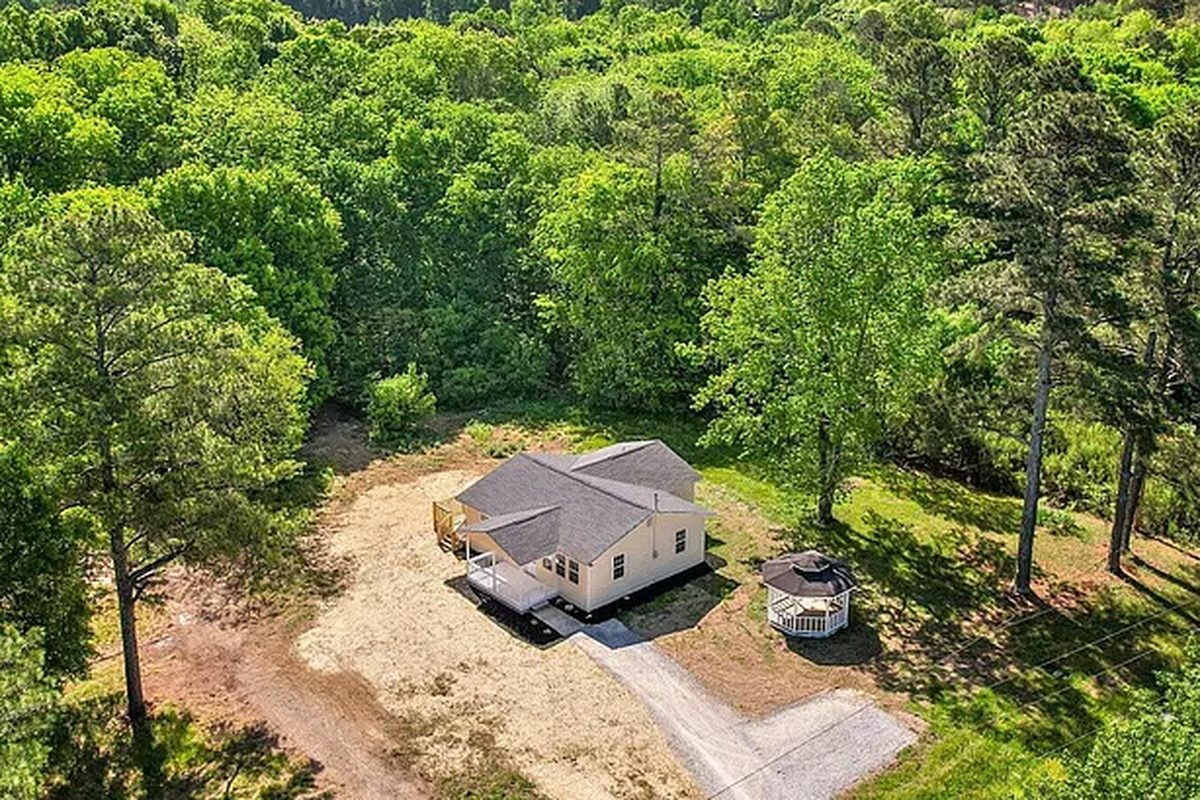
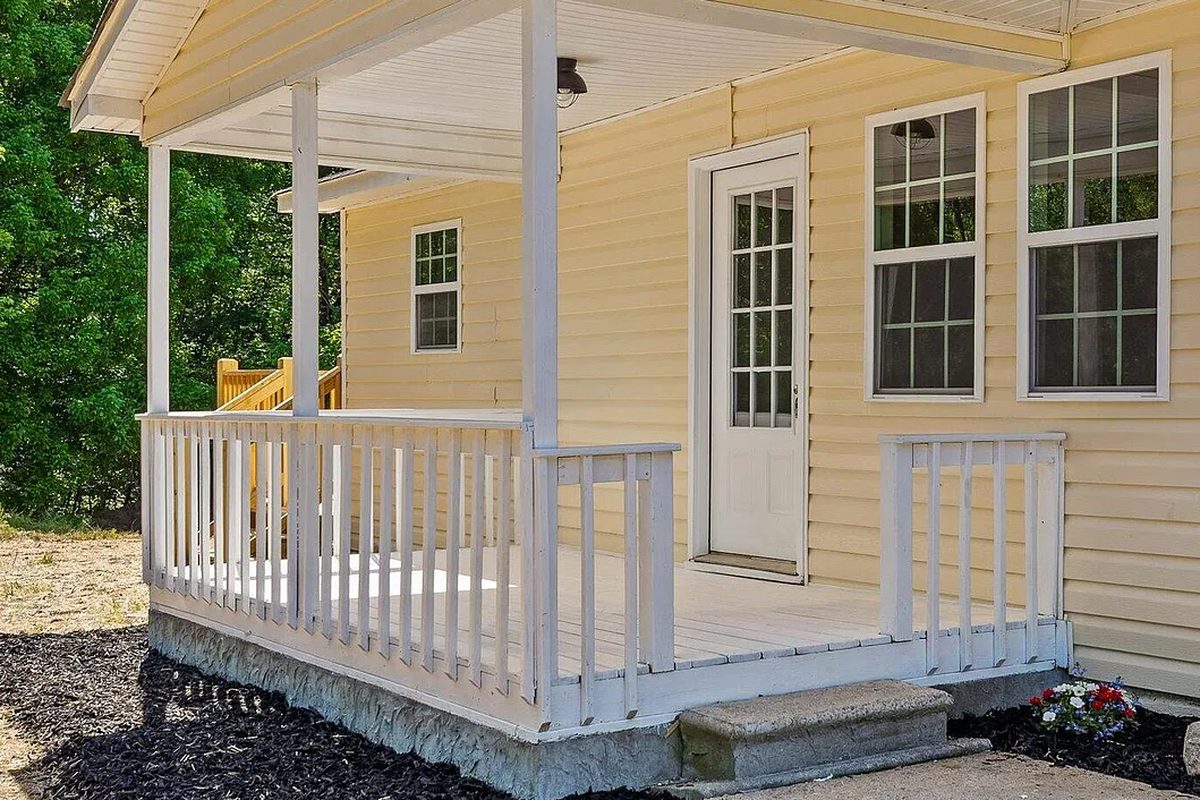
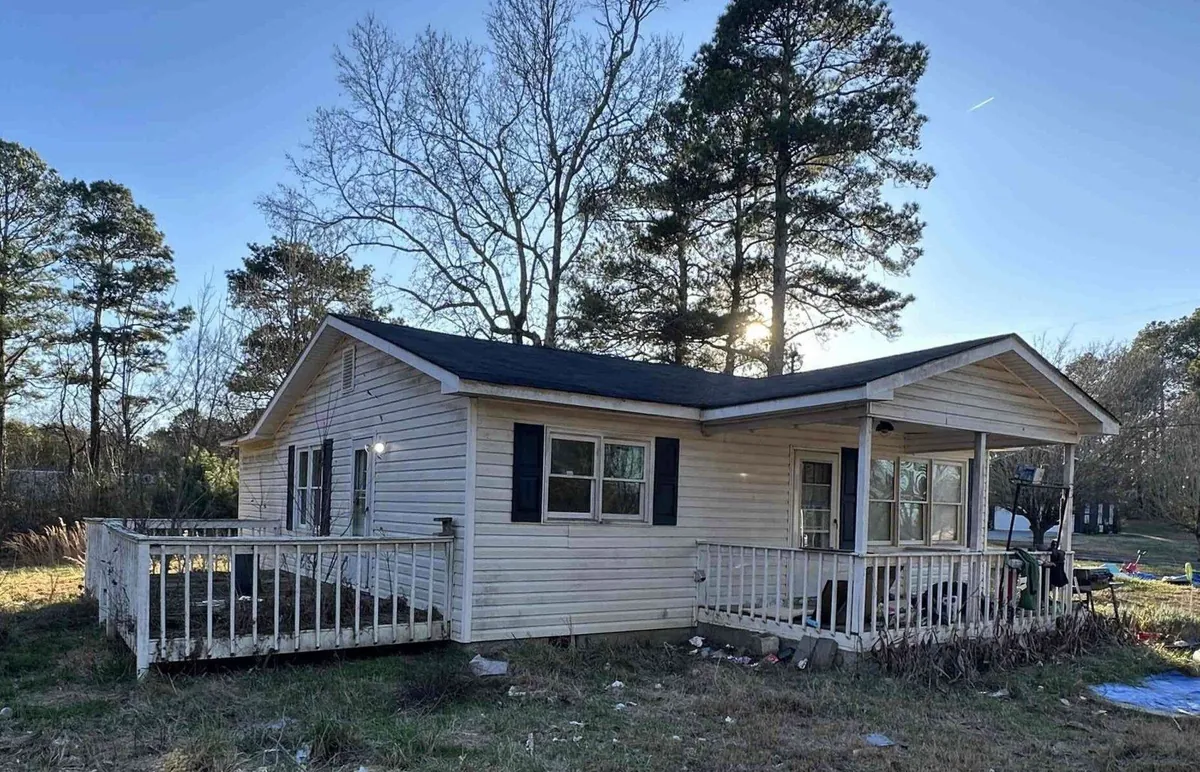
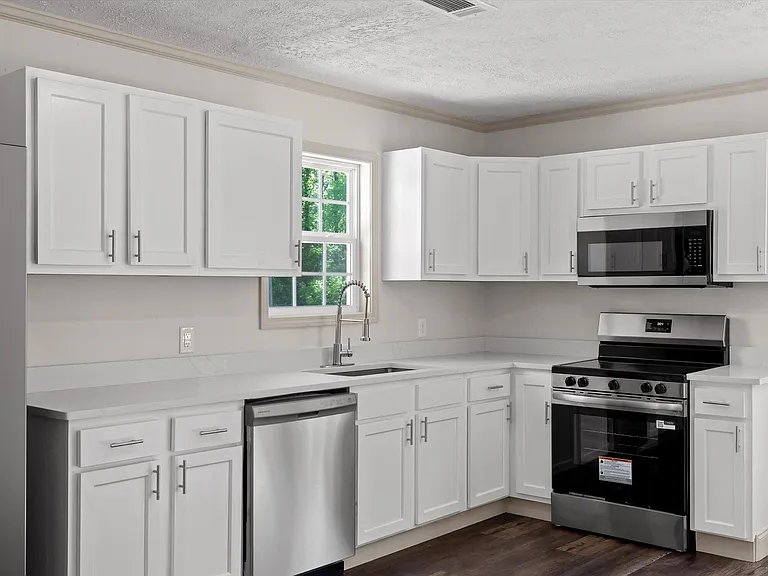
More answers are on our FAQ page, and how it works walks through our process from first call to closing. To see what an as-is purchase looks like, here's a Harrison house we bought that needed more repairs than the owners could take on.
Frequently Asked Questions
Can I sell my house while I'm in Chapter 13 bankruptcy in Tennessee?
Yes, but usually not without the bankruptcy judge's approval. The Chapter 13 Trustee's office in Chattanooga says debtors generally cannot sell, refinance or give away property during the case without the court's permission, no matter when the property was acquired. Your attorney files a notice or motion describing the sale, the buyer, the price and the closing date; creditors and the Trustee get a chance to object; and the sale closes after the court approves it. Talk to your attorney before you sign a contract.
Can I sell my house during Chapter 7 bankruptcy?
It depends on your equity. In Chapter 7, a trustee collects any non-exempt property for creditors. If your mortgage plus your homestead exemption cover the house's value, there is usually nothing for the trustee to sell for creditors, and the house generally comes back out of the estate. If there is significant equity above the exemption, the trustee may sell the house. Either way, any sale while the case is open goes through your attorney and the court.
How much home equity does Tennessee protect in bankruptcy?
Tennessee filers use the state's exemptions, not the federal list (Tenn. Code § 26-2-112). The homestead exemption in Tenn. Code § 26-2-301 protects up to $35,000 of equity in your principal residence for an individual, and up to $52,500 combined for joint owners who both claim it in the same case. It protects equity from unsecured creditors only. It does not apply against your mortgage, the debt used to buy or improve the home, or property taxes.
Does filing bankruptcy stop a foreclosure sale in Chattanooga?
Filing triggers the automatic stay, which generally pauses a scheduled foreclosure sale. But the stay is not permanent. A lender can ask the court to lift it, especially if post-filing payments are missed, and if the case is dismissed the foreclosure can resume. If your Chapter 13 plan is falling behind, a court-approved sale while the case is still open may protect more of your equity than waiting.
Will Dignity Properties buy a house that is in an open bankruptcy case?
Yes. We buy Chattanooga-area houses as-is from homeowners in Chapter 7 and Chapter 13, and we work with your bankruptcy attorney so the price, the buyer and the closing date can go into the court filing. Our contract is contingent on court approval, we wait for the order, and we pay the closing costs out of the proceeds. If listing the house would clearly net you more, we'll tell you. Call us at (423) 212-8384.